
Did You Know 3 in 4 Civil Cases Include Someone Without an Attorney?

For many people, navigating a civil court case doesn't come with an attorney by their side.

A major study from the National Center for State Courts (NCSC) examined more than 925,000 civil cases across 10 urban counties and found that 76% involved at least one self-represented party, most often the defendant.
More recent NCSC guidance continues to highlight the scale of the challenge. In high-volume areas such as housing, family law and debt collection, 80% to 90% of cases may involve at least one party without a lawyer.
That puts courts in a difficult position.
Court staff can provide procedural information, but they cannot provide legal advice. At the same time, someone representing themselves may arrive with basic questions: Where do I go? Which forms do I need? How do I file them? What happens next?
Making that information easier to access can make a meaningful difference.
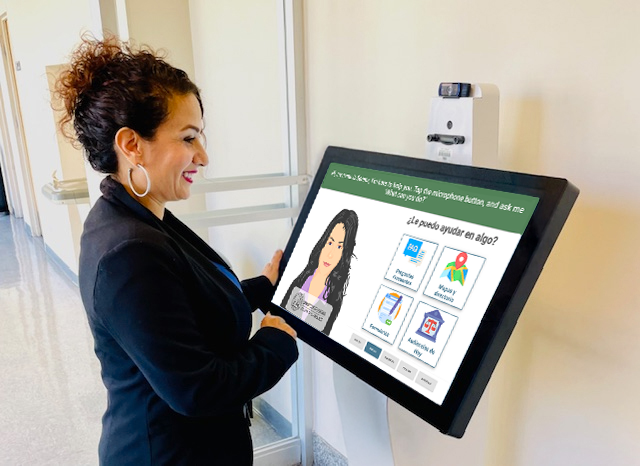
Clear instructions, plain-language resources, guided forms, and self-service options can give citizens another way to find approved court information and complete routine tasks independently. In turn, court staff can spend more of their time assisting with questions and situations that require human attention.
For courts, self-service technology can be part of that solution. Digital forms, multilingual information, wayfinding, and self-service kiosks can help guide citizens through routine processes while keeping court-a
pproved information accessible and consistent.
When so many people are navigating civil courts without an attorney, providing clearer pathways to the information and services they need can make the courthouse easier to navigate for everyone.
Sources: National Center for State Courts, The Landscape of Civil Litigation in State Courts (2015); NCSC, Expanding Access to Justice Through Authorized Justice Practitioner Programs (2025).


Comments